
Artificial intelligence is creating new opportunities for businesses, but one company may have learned the hard way that using a celebrity’s likeness to promote a product can come with serious consequences.
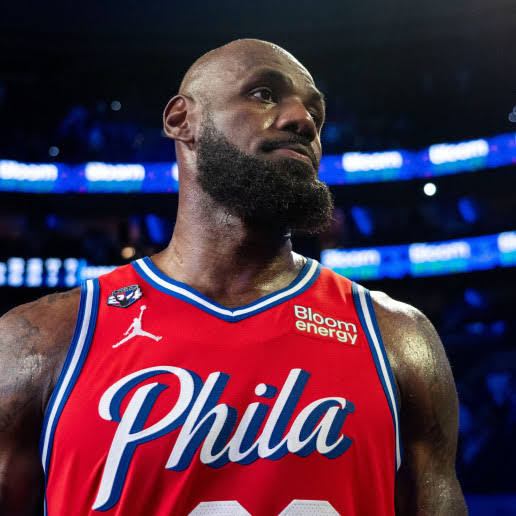
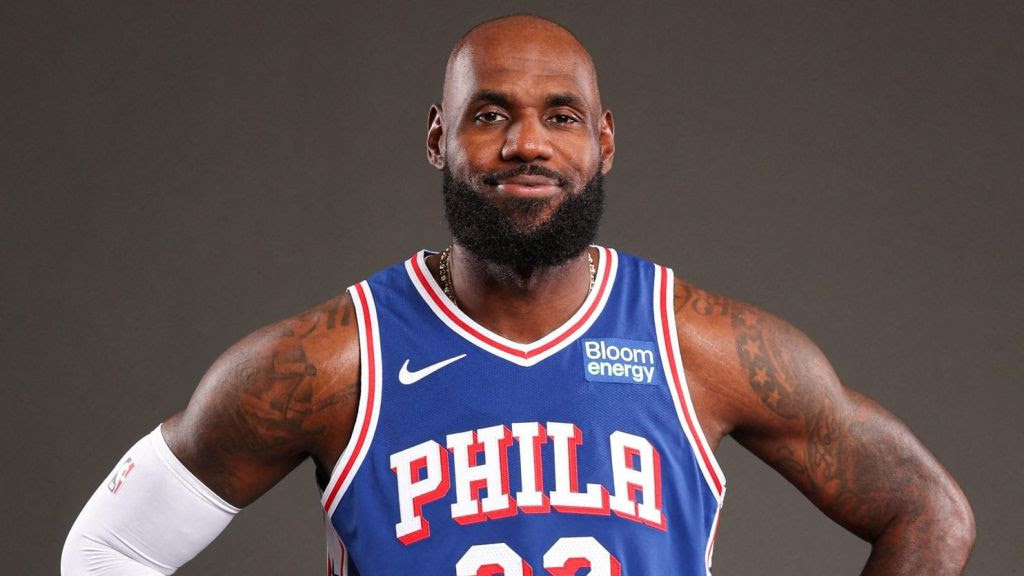
LeBron James is taking legal action against an AI-powered sports betting application called Bron AI after the company allegedly used his name, voice and likeness in promotional material without his permission.
According to a report from Front Office Sports, James’ representatives sent the company a cease-and-desist letter demanding that it immediately stop using his identity to promote its platform.
And there’s a little more to this story than just an AI-generated version of one of the most recognizable athletes on the planet.
What Is Bron AI?
Bron AI is a sports betting analytics application that combines information and odds from traditional sportsbooks and prediction markets.
The platform markets itself as a tool that helps users identify potentially profitable betting opportunities by aggregating data across different platforms. It also allows users to automatically place wagers through other applications.
The controversy began after the company’s CEO, Anish Gupta, posted a promotional video on X on November 4.
The advertisement featured an AI-generated character that looked and sounded remarkably similar to James.
The character wore a basketball jersey featuring the nickname “Bron” and the number 23, two unmistakable references to the NBA superstar.
At one point in the advertisement, the character scrolls through the application before coming across Phoenix Suns forward Dillon Brooks.
“Dillon Brooks? On Kalshi? Hell nah,” the character says.
The video quickly attracted attention, generating more than 900,000 views in less than 24 hours.
While the marketing stunt generated plenty of engagement, it also caught the attention of James and his representatives.
LeBron’s Representatives Send a Cease-and-Desist Letter
James’ camp wasted little time responding.
A spokesperson for the Philadelphia 76ers star told Front Office Sports that “LeBron is in no way affiliated with this unauthorized use of his likeness.”
His representatives subsequently sent a cease-and-desist letter to PlayVision Inc., the company behind Bron AI.
The letter, prepared by the law firm Grubman Shire Meiselas & Sacks PC, accuses the company of the unauthorized use and exploitation of James’ name, nickname, likeness, image, persona and other identifying characteristics.
The demands are straightforward.
Bron AI must permanently stop using James’ likeness in any form of media, remove the promotional advertisement and notify everyone who has used the application in writing that James has absolutely no affiliation with the company.
The letter also warns that James intends to take any and all appropriate steps to protect his rights.
Why the Situation Is Especially Complicated
There’s another important layer to this situation.
James recently entered an exclusive endorsement agreement with prediction market platform Polymarket.
That makes the use of his likeness to promote a competing sports betting analytics application particularly problematic from a business perspective.
However, his representatives also raised a potentially more serious concern.
The advertisement could create the impression that James is personally involved in betting on basketball.
That is significant because NBA players are subject to strict rules and regulations regarding gambling and sports betting.
Even though the character was AI-generated, using James’ identity in an advertisement connected to sports betting could create an entirely different set of problems for the superstar.
His longtime media advisor, Adam Mendelsohn, criticized the marketing strategy, describing it as another example of the decline of originality in sports marketing.
Mendelsohn also suggested that the company may have intentionally been trying to provoke a cease-and-desist letter to generate publicity.
His message was clear: These types of gimmicks don’t work because people see through them.
This Isn’t the First Time LeBron Has Had an AI Problem
Interestingly, this isn’t the first time James has had to deal with someone using artificial intelligence to replicate his identity.
In July 2025, James demanded that the creators of an AI tool called Interlink AI stop allowing users to generate videos featuring his likeness.
Some users had created bizarre AI-generated videos depicting James in inappropriate and unusual situations, including a pregnant version of the NBA star.
The latest incident demonstrates how quickly AI technology is creating new challenges for professional athletes, celebrities and their business partners.
As the technology becomes more accessible, protecting an individual’s name, image and likeness is becoming increasingly complicated.
What This Means for AI and Sports Marketing
This situation could become another important example of the legal challenges surrounding artificial intelligence and celebrity endorsements.
For years, athletes have generated millions of dollars through sponsorship agreements, licensing deals and endorsements. Their names and likenesses are valuable business assets, and companies typically need permission to use them commercially.
AI is beginning to blur the lines between parody, entertainment, advertising and unauthorized commercial use.
A company can now create a convincing digital version of an athlete without ever having that athlete participate in a commercial.
But just because the technology makes it possible doesn’t mean businesses have the legal right to do it.
Bron AI’s promotional strategy may have generated nearly a million views, but it also attracted the attention of one of the most powerful athletes in professional sports.
The company and its parent organization, PlayVision Inc., had not responded to Front Office Sports’ requests for comment at the time of publication.
For now, James is making one thing clear: His identity is not available for companies to use simply because artificial intelligence makes it easier to recreate him.
And considering how much money athletes make from protecting and licensing their personal brands, this probably won’t be the last time we see a situation like this.


Leave a Reply