
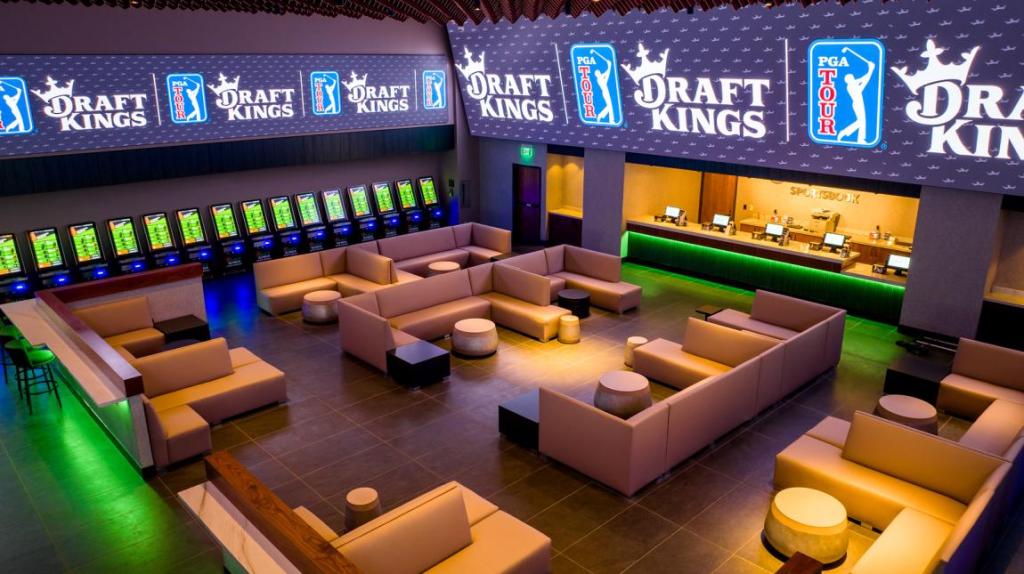
The debate around daily fantasy sports (DFS) in California took a sharp turn last week when California Attorney General Rob Bonta issued a 33-page advisory opinion declaring DFS contests, including pick’em and draft-style games, to be illegal under state law. Though the opinion is not legally binding, it has stirred the pot among sportsbook operators, Native American tribes, and state regulators—setting the stage for a broader reckoning on how fantasy sports are handled in the Golden State.
AG’s Opinion: DFS Is Sports Betting, Not Skill-Based Play
Bonta’s advisory rejected the industry’s long-standing defense that DFS is a game of skill and therefore exempt from gambling laws. The opinion argues that DFS meets the legal definition of betting or wagering because outcomes hinge on uncertain future events—even if some players perform consistently better than others due to skill.
“The essential requirement of a ‘bet’ or ‘wager’ is that participants win or lose based on the outcome of an uncertain future event,” the opinion states.
This declaration wasn’t unexpected. Underdog Sports, a major DFS operator, had previously filed a lawsuit to block the opinion from being released, citing it as an “existential threat.” A judge denied that motion, noting that the AG’s opinions are merely advisory and do not carry the weight of law.
Operators Undeterred—For Now
Despite the legal headwinds, both Underdog and DraftKings have publicly stated they will continue offering DFS in California. A DraftKings spokesperson said the company “respectfully disagrees” with Bonta’s opinion and pointed out they’ve offered DFS in the state for over 13 years without legal challenge. They, along with FanDuel, indicated a willingness to work with the Attorney General’s office to find common ground.
“We intend to continue offering [DFS contests] — as we have done without challenge or issue for over 13 years,” said DraftKings.
The California Department of Justice has remained vague about potential enforcement actions, only stating that it “expects companies to come into compliance,” but called any specific actions “premature.”
Political and Tribal Reactions
California Governor Gavin Newsom appears open to a compromise, with a spokesperson saying he “does not agree with the outcome” of the opinion and supports a collaborative path forward.
That sentiment is echoed by U.S. gaming law expert Dan Wallach, who said the opinion “should give pause” to operators but also presents an opportunity for dialogue. He suggested that much of the pressure behind the opinion may have come from Native American tribes, who have exclusive rights to offer many types of gambling in California.
James Siva, chair of the California Nations Indian Gaming Association (CNIGA), praised Bonta’s opinion and called for stronger enforcement, arguing that illegal DFS operations have cost tribes millions—if not billions—over the years.
“It is now imperative that the state back up this legal opinion with strong enforcement,” Siva said.
What’s Next?
The road ahead is uncertain. While the AG’s opinion doesn’t immediately shutter DFS operations, it raises the legal and political stakes. Operators may face enforcement if they continue business as usual. More importantly, the ruling may accelerate a much-needed policy conversation among regulators, tribal leaders, and companies about the future of fantasy sports and sports betting in California.
Takeaway
Bonta’s opinion may not end DFS in California overnight, but it has sparked a long-overdue reckoning. With major stakeholders now under pressure to hash out a legal framework that respects tribal sovereignty, consumer demand, and regulatory clarity, the future of daily fantasy sports in California is anything but fantasy.


Leave a Reply