
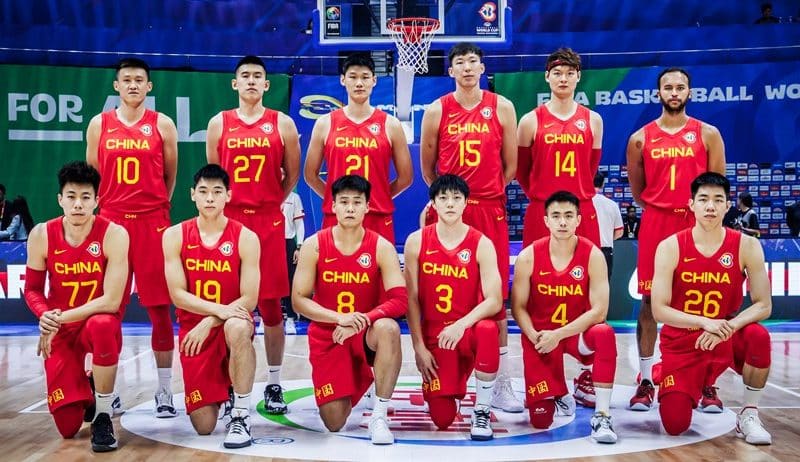
Federal prosecutors dropped a 70-page bombshell this week, unsealing indictments against 26 people allegedly involved in one of the most brazen point-shaving schemes ever uncovered. What started overseas in the Chinese Basketball Association (CBA) eventually ballooned into a full-blown operation involving multiple NCAA men’s basketball programs, millions in bets, burner phone talk that absolutely no one followed, and an astonishing amount of cash photographed and texted like it was a new sneaker drop.
According to the indictment, the scheme attempted to fix 29 games, involved more than 39 players across 17 Division I programs, and ran from September 2022 through February 2025. NCAA president Charlie Baker says almost every team named is already under investigation, which feels like the least surprising development in this entire saga.
The Alleged Masterminds (And Their Very Bad Ideas)
At the center of the operation were high-stakes gamblers Marves Fairley and Shane Hennen, both of whom had already been indicted in previous gambling cases because if you’re going to allegedly run a massive illegal betting ring, why not do it with a résumé?
They were joined by former NBA player Antonio Blakeney, who was playing professionally in China at the time. Together, prosecutors say, the trio began fixing CBA games, placing massive wagers, including one bet totaling nearly $200,000—on games they allegedly had already “secured.”
Fairley even described recruiting a second player like an insurance policy, texting Blakeney: “better safe than sorry.” Sound financial planning, if you ignore the whole “felony” part.
When one co-conspirator hesitated, Hennen provided perhaps the quote of the indictment:
“Nothing guaranteed in this world but death, taxes, and Chinese basketball.”
Hard to argue with that logic.
From China to Campus
Once the operation proved “successful” overseas, prosecutors say the fixers set their sights on college basketball, specifically targeting players unlikely to earn meaningful NIL money. Why? Because $10,000–$20,000 per game suddenly looks life changing when your endorsement deals are limited to free pizza.
And thanks to the explosion of legalized sports betting, the fixers allegedly spread wagers across multiple sportsbooks, hiding six-figure bets in plain sight.
Text messages show players were frequently reassured with lines like:
“money good u know that lol”
Which is definitely something you want to hear before intentionally missing free throws on national television.
The Communication Strategy: “Clean Up How We Text” (They Did Not)
Despite repeatedly acknowledging that texts could be discovered, the group continued to discuss point-shaving plans via text, phone calls, and FaceTime. At one point, trainer Jalen Smith suggested burner phones and “secret social media” accounts.
This advice was immediately ignored.
Instead, the indictment is filled with screenshots of:
- Game plans
- Bet slips
- Complaints about players trying too hard
- Photos of literal stacks of cash, sent as motivation
If the goal was subtlety, it was never achieved.
The Bets (And the Meltdowns)
The fixers routinely placed six-figure wagers, sometimes stacking parlays to chase even bigger payouts. Sometimes it worked. Sometimes it absolutely did not.
Highlights include:
- $220,000 wagered on Tulane vs. East Carolina, described as “one of those 100%” guaranteed games.
- $50,000 bet on Northwestern State minus 10.5 that promptly went sideways, leading Fairley to call the loss “unbelievable.”
- $195,000 loaded on Duquesne—who then lost by 12.
- $424,000 on Kent State vs. Buffalo, lost in the first half.
- $200,000 on Florida Atlantic to cover a 15-point spread… they won by six.
At one point, a straw bettor even complained that a sportsbook limited him to $12,000, texting:
“Sportsbook horrible only let me put 12k on butler.”
The real tragedy here.
Coaching Players… to Lose
The most surreal part of the indictment may be the text messages scolding players for playing too well.
After one game, Smith texted a player:
“Wtf u doing… You hooping yo ass off… U supposed to be fxcking losing.”
In another, he complained that a non-corrupt teammate was ruining things:
“He need to chilllll the f** out.”*
After a Fordham player texted “I tried” following a loss, Smith reassured him:
“You did your job for sure.”
Which may be the bleakest postgame compliment in college sports history.
Cash, Cars, and Carry-Ons
Payments were allegedly delivered in person, often accompanied by helpful photos:
- Stacks of cash in car compartments
- Money laid out for Buffalo, DePaul, and Alabama State players
- Promises of payment in $100 bills, because apparently presentation matters
At one point, Smith told a player to send a photo of cash to another recruit with the message:
“If he bite he bite if he don’t so be it lol.”
Strong sales strategy.
The Bottom Line
What prosecutors describe isn’t just a gambling scandal, it’s a reminder of how legalized betting, financial pressure on athletes, and sheer overconfidence can collide spectacularly.
The scheme was massive.
The paper trail was endless.
And despite constant reminders to be careful, the alleged fixers documented nearly everything.
As the investigation continues, one thing is already clear: this wasn’t just point-shaving, it was point-shaving with receipts.
And apparently, nothing really is guaranteed… except death, taxes, and a 70-page indictment explaining how everyone got caught.

 Home of Sheffield Shuffler
Leave a comment