
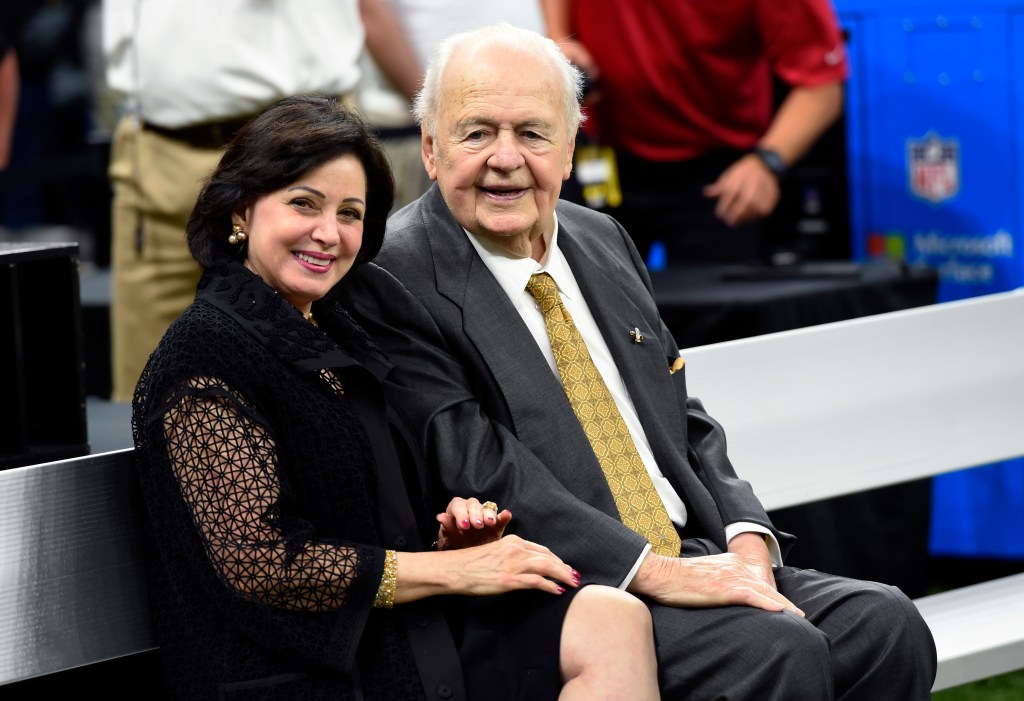
In a surprising twist, New Orleans church leaders enlisted help from an unexpected source—the front office of the New Orleans Saints—to manage fallout from a sensitive disclosure. A trove of internal emails recently obtained by The Associated Press reveals that during a tumultuous period of exposing predatory Catholic priests, Saints executives played a key role in a coordinated crisis communications campaign with the Archdiocese of New Orleans.
A Crisis Unfolds
In 2018, as the Catholic Church in New Orleans released a list of clergymen accused of sexual abuse, the fallout threatened to deepen. The list, a much-anticipated mea culpa intended to begin a process of healing and accountability, was not without controversy. It was later discovered that the list was both carefully curated and undercounted, omitting several clergymen with known allegations and convictions.
Amid the growing legal and public relations storm—including potential civil claims and heightened law enforcement scrutiny—the church turned to longtime allies in the community. Among these allies was the New Orleans Saints, whose involvement was revealed through a series of internal emails.
The Saints Step In
The emails detail a months-long, behind-the-scenes effort by the Saints’ leadership team, coordinated by President Dennis Lauscha and Senior Vice President of Communications Greg Bensel. Key moments include:
- Proactive Communication: A Saints spokesman briefed his boss on a 2018 call with the city’s top prosecutor. According to the emails, this call allowed the church to “take certain people off” the list of accused clergymen—a move that later raised serious legal questions.
- Early Access to the List: Team officials were among the first outside the church to view the list, which became a roadmap for both federal and state investigations.
- Guiding the Narrative: President Dennis Lauscha personally drafted a series of questions for Archbishop Gregory Aymond to answer when facing reporters. Meanwhile, Greg Bensel kept a close eye on local media coverage, urging consistency in messaging and advising against public criticism of the archbishop’s efforts.
- Coordinated Messaging: Bensel’s emails repeatedly stressed that the Saints and church leaders were “all on the same team.” He communicated directly with influential local media contacts, even asking newspapers to treat certain internal communications as confidential.
This level of involvement sharply contrasts with earlier claims by the Saints, which had asserted they offered only “minimal” assistance to the church. The emails paint a picture of a well-organized public relations campaign that spanned over a year, ending in July 2019 when the records were subpoenaed by attorneys for a priest later charged with raping an 8-year-old boy.
A Convergence of Local Institutions
The crisis saw a remarkable coming together of New Orleans institutions. Not only were the Saints actively engaged, but the emails also show communications with figures such as:
- U.S. District Court Judge Jay Zainey: Copied on several emails, Judge Zainey offered praise and even thanked team officials for their “wonderful advice.”
- Local Media Leaders: Editors and columnists were engaged by Bensel, who stressed that critical coverage of Archbishop Aymond’s actions was “neither beneficial nor right.”
This coalescing of community leaders underscores how deeply interwoven the local institutions had become in managing the fallout from the church crisis.
Backlash and Accountability
The revelation of the Saints’ involvement has sparked outrage. State Representative Mandie Landry condemned the effort, stating, “This is disgusting… why the Saints would go to these lengths to protect grown men who raped children.” Survivors of clergy sexual abuse have also expressed deep betrayal. Kevin Bourgeois, a former Saints season-ticket holder and abuse survivor, lamented, “It forces me to question what other secrets are being withheld. I’m angry, hurt and retraumatized again.”
In response, the Saints issued a lengthy statement emphasizing that no member of their organization condoned the abuse or wished to cover it up. They insisted that the public relations partnership with the archdiocese was “well-intended” and is now in the past, while also criticizing the media for misrepresenting their efforts.
Implications and Looking Ahead
The unfolding story raises important questions about the intersection of sports, religion, and public accountability. With NFL Commissioner Roger Goodell expected to address the matter—given the NFL’s strict policies against conduct “detrimental to the league”—the broader legal and ethical implications remain uncertain.
The revelations come at a time when the Archdiocese of New Orleans is grappling with mounting litigation involving more than 600 abuse survivors and financial pressures that have even driven the church into bankruptcy. The incomplete clergy list, already a point of contention, has fueled investigations by the FBI and state police into potential cover-ups by church leaders.
Conclusion
What began as a crisis for the Catholic Church in New Orleans quickly evolved into a story of unexpected alliances and blurred institutional lines. The New Orleans Saints, a beloved NFL franchise, became entangled in a complex web of crisis communications, public relations, and legal challenges. As community leaders, judicial figures, and media outlets rallied together in a bid to manage the scandal, many are left questioning the lengths to which powerful institutions will go to protect their reputations—and at what cost to public trust and accountability.
Stay tuned as this developing story continues to unfold, reminding us all that in times of crisis, the lines between sports, faith, and community leadership can become unexpectedly intertwined.


 Home of Sheffield Shuffler
Leave a comment